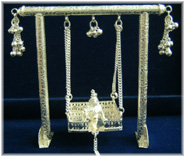
చ|| మాటలు నీ వాడితేను మంచి తేనెలుగారీని | గాటమై నీ చేతవై తే కారమయ్యీని | యీటు వెట్టితే జవి యిదొకటీ నదొకటీ | కూటమి కాననరాదు కోపగించరాదు ||
చ|| కన్నుల నీవు చూచితే కడు వెన్నెల గాసీని | యెన్నబోతే నీ సుద్దులు యెండగాసీని | పన్నినవి నీ గుణాలు పచ్చియును వెచ్చియును | అన్నీ జేతబట్టరాదు అటు దోయరాదు ||
చ|| నీ వాసలు వెట్టితేను నిలువు నూరు వండీని | భావించి నీ సింగారాలు పాలుకొనీని | యీవల శ్రీ వేంకటేశ యింతలో నన్నేలితివి | చేవదేరె ననరాదు చిగురనరాదు ||
"Udayadri Telupaye Udu Raju Kolu Veede" is an exquisite Sankirtana composed by the legendary 15th-century saint-poet Tallapaka Annamacharya. Written in the traditional Sringara Bhakti (devotional eroticism/romantic love) genre, this composition captures the delicate emotions of a Virahotkanthita Nayika—a heroine intensely longing for her divine lover, Lord Venkateswara, as the night ends and dawn breaks.
Through vivid metaphors of fading moonlight, blooming jasmines, and the sweet chatter of birds, Annamacharya masterfully translates human romantic longing into a profound spiritual yearning for union with the Supreme. The song beautifully transitions from the painful, restless anticipation of the night to absolute fulfillment and grace at dawn, when the Lord finally arrives.
Listen Audio by VANI JAYARAM:
ఉదయాద్రి తెలుపాయె (రాగం: ) (తాళం : )
ఉదయాద్రి తెలుపాయె ఉడు రాజు కొలు వీడె | అద నెరిగి రాడాయె నమ్మ నా విభుడు ||
చన్నులపై ముత్యాల సరులెల్ల జల్లనాయె | కన్నులకు గప్పొదవె గాంత నా కిపుడు | కన్నె కలువల జాతి కనుమోడ్చినది మీద | వెన్నెల వేసంగి మొగ్గ వికసించె గదవె ||
pa|| udayAdri telupAye uDu rAju kolu vIDe | ada nerigi rADAye namma nA viBuDu ||
ca 1|| cannulapai mutyAla sarulella jallanAye | kannulaku gappodave gAMta nA kipuDu | kane kaluvala jAti kanumODcinadi mIda | vennela vEsaMgi mogga vikasiMce gadave ||
ca 2|| puvvula lOpali kurulu bugulu konagA nerxase | davvula dummedagamulu tarami DAyaganu | ravvasEya Suka pikamu rAyaDi kOrvaga rAdu | avvalanevvate pasala kalarunnavADO ||
ca 3|| pannITa jalaka mArci paccakapramu metti | cennu gaMgoppuna virulu celuvaMdurimi | ennaMgala tiruvEMkaTESuM Dide nanuMgUDi | kannula manasunuM daniyaM garuNiMceM gadavE ||
The Comparison Table: Symbolic Imagery of Dawn
To help international readers appreciate the poetic brilliance of Annamacharya, here is a breakdown of how the changing landscape mirrors the Nayika's inner state:
The Poetic Metaphor
Literal Translation
Spiritual & Emotional Meaning
Udayadri Telupaye
The Eastern Mountain turns white
The arrival of dawn; the end of the long night of waiting.
Udu Raju Kolu Veede
The King of Stars (The Moon) leaves his court
The fading of nighttime illusions and lonely contemplation.
Kaluvala Kanumodchinadi
Night lilies are closing their petals
The passing of the time designated for secret lovers' meetings.
Vesangi Mogga Vikasince
The summer jasmine bud blossoms
The awakening of hope and desire as day breaks.
Shuka Pikamu Ravva
The chatter of parrots and cuckoos
The awakening of the world, which intensifies her restlessness.
Meaning & Interpretation
The Pain of Waiting (Stanzas 1 & 2): The heroine laments that the eastern sky (Udayadri) is brightening and the moon is setting, yet her Lord has not arrived. Her heavy sighing makes her pearl necklaces feel cold against her skin. The closing of the night-blooming lilies symbolizes her fading patience, while the blossoming of the morning jasmines highlights her rising anxiety.
The Anxiety of Distraction (Stanza 3): The fragrance of her hair fills the air, attracting swarms of bees. The morning birds (parrots and cuckoos) begin their loud chirping, which feels unbearable to her heavy heart. She wonders, with a touch of jealousy, if the Lord is delayed because he is caught up in the charms of another devotee elsewhere.
The Ultimate Union (Stanza 4): The agonizing wait culminates in beautiful fulfillment. Lord Venkateswara arrives. He is bathed in fragrant water (Panneeta), adorned with fresh green camphor (Pachakapramu), and decorated with stunning flowers. He unites with the Nayika, completely satisfying both her eyes and her soul with his boundless compassion (Karuninchen).
Frequently Asked Questions (FAQs)
1. What is the central theme of "Udayadri Telupaye"?
The song is based on Madhurya Bhakti (devotional love), where the devotee takes the role of a consort (Nayika) and the Divine (Lord Venkateswara) is the beloved. It expresses the agony of separation (Viraha) and the ultimate ecstasy of divine union.
2. Who rendered this song famously in the audio featured here?
This version is sung by the legendary Carnatic and playback singer Smt. Vani Jayaram, known for her flawless classical training and soulful rendition of Annamacharya compositions.
3. What do the metaphors "Udayadri" and "Udu Raju" mean?
"Udayadri" refers to the eastern mountains where the sun rises, and "Udu Raju" translates to the "King of Stars," which means the Moon. Annamayya uses them to describe the visual shift from night to dawn.
4. How does Annamacharya depict Lord Venkateswara's arrival in the final verse?
The Lord appears beautifully adorned and freshly bathed, smelling of cool sandalwood water and green camphor. His presence instantly cools the burning longing of the devotee, satisfying both the eyes and the heart.